
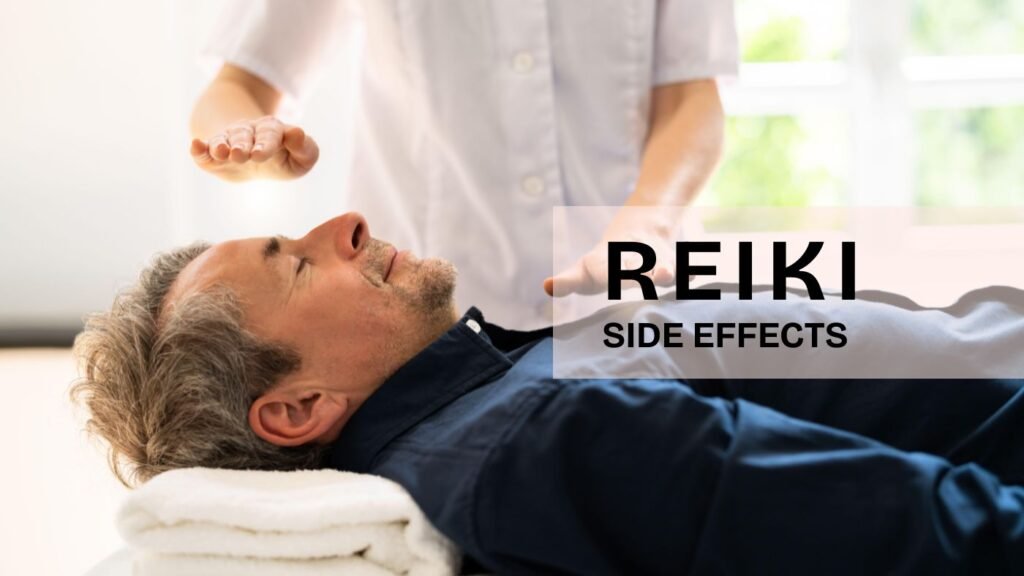
Reiki is often described as gentle, calming, and deeply relaxing — but if you’ve ever Googled “Is Reiki safe?” or “Why do I feel tired after Reiki?”, you already know that people experience a wide range of physical and emotional shifts after a healing session.
And here’s the truth most practitioners don’t openly talk about: Reiki can create temporary side effects. Not because something is wrong, but because your energy system is finally releasing the heaviness it has been holding for months or years.
In this article, we’ll uncover the real, honest, and rarely-discussed side effects of Reiki — plus what you can expect after your first healing session and how to integrate the experience safely.
Reiki is a non-invasive healing technique that works with the body’s natural energy field. There are no needles, no medication, and no physical manipulation — just pure energetic balancing.
So yes, Reiki is safe. But like any deep energetic cleanse, your body may respond with reactions that feel unfamiliar.
Think of Reiki as hitting a “reset” button on your emotional, energetic, and physical system. Anything that was blocked begins to move — and movement can create sensations.
This is what many people call a “healing crisis”, which is actually a healing release.
During Reiki, your body shifts from a stressed, overactive state to a deeply relaxed healing state.
When this happens:
These changes can feel emotional, physical, or spiritual — and completely different for every person.
Let’s break down the most common and honest post-Reiki reactions people experience, especially after their first session.
If you’ve ever wondered, “Why do I feel tired after Reiki?” — this is the most common reaction. Reiki pulls your body into a deep parasympathetic “healing mode.”
Your body uses this time to:
Fatigue is not a side effect — it’s a signal that your body is finally resting.
Energy work often stirs emotions that have been suppressed for years. Some people cry during or after the session without knowing why. Others feel light, peaceful, or sensitive for 24–48 hours.
This emotional detox may look like:
This is your heart chakra clearing emotional residue.
During Reiki, the upper chakras — crown and third-eye — open and activate. This shift can create temporary:
It usually resolves with hydration and rest.
When heavy, stagnant energy leaves your system, many people describe themselves as:
This is why grounding after Reiki is essential.
Eating something, drinking water, or walking barefoot on the ground helps balance your energy.
Reiki often activates the subconscious mind. Many people report:
Your mind processes deep emotional files that were long ignored.
Because Reiki increases energetic flow, your body may begin clearing toxins naturally. This can show up as:
This is not sickness. It’s energetic cleansing.
Many people feel withdrawn or introverted after Reiki. This happens because your body is readjusting to its new energetic frequency.
You may prefer being alone, journaling, or simply observing your thoughts. This introspection stage is powerful and healing.
Most side effects last anywhere from a few hours to 48 hours. In rare cases, emotional releases may continue for 3–5 days.
Here’s the rule of thumb:
If it feels cleansing, emotional, or energetic — it’s normal.
If it feels painful, extreme, or worrying — consult your healer or doctor.
Your first Reiki experience often sets the tone for your healing journey. Here’s what most beginners notice within 24–72 hours:
Reiki doesn’t “change” you — it aligns you with your true self.
If you’re sensitive to energy work, here’s how to make the integration easier:
Hydration helps your body flush emotional and energetic toxins.
Walk barefoot, eat grounding foods, or touch the earth.
Give your emotional body space to rebalance.
Writing helps release emotional residue.
Sleep is a major part of energetic integration.
This helps Reiki work more effectively with your goals.
Reiki is safe, gentle, and non-invasive — but if you feel symptoms that are physical, persistent, or unrelated to emotional release, always consult a professional.
Signs to seek support:
Reiki is complementary, not a replacement for medical care.
Most people expect Reiki to feel like a spa session. But the real magic happens when your body starts clearing what you’ve been carrying — stress, overthinking, emotional hurt, or anxiety.
Side effects are not problems — they are progress.
They show that your energy field is shifting into alignment, your chakras are balancing, and your emotional body is finally releasing unnecessary weight.
If you stay consistent with healing sessions, these reactions reduce, and you begin to feel grounded, peaceful, and lighter in your everyday life.
Reiki is one of the most powerful forms of energy healing available today — but understanding the side effects makes your journey smoother and more empowering.
So, if you’re asking:
Embrace the experience. Trust the process. Your energy is shifting for the better.
If you want guidance, distance healing, or personal Reiki sessions, follow @ManifestWithSargam for more energy healing content.


Sign up for my newsletter to see new photos, tips, and blog posts.

Subscribe to my weekly newsletter. I don’t send any spam email ever!